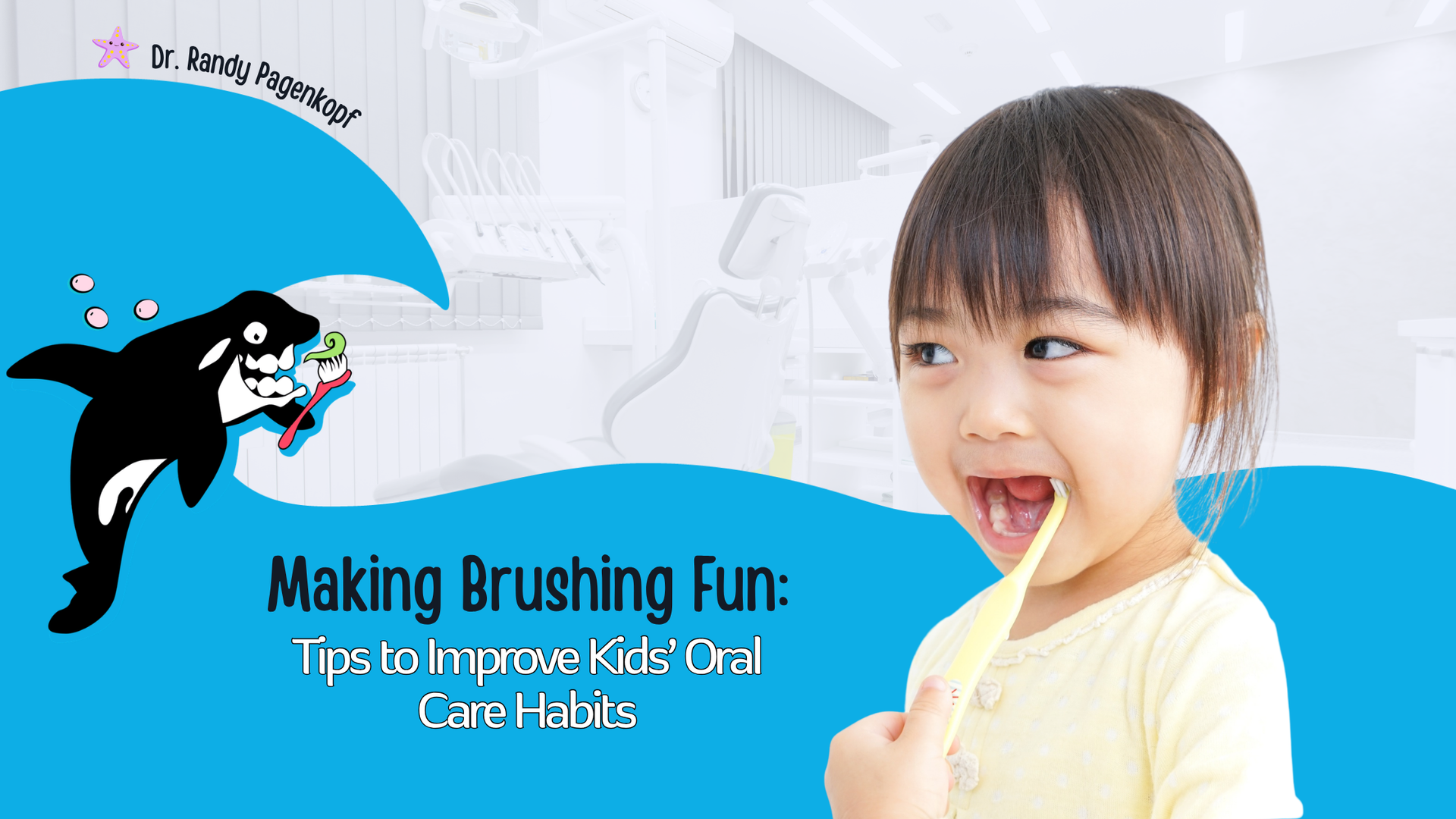
Making Brushing Fun: Tips to Improve Kids’ Oral Care Habits
Source: Dr. Marketing
Helping children develop strong brushing habits is an important part of supporting their long-term oral health. While brushing twice a day may seem simple, many parents know it can quickly turn into a daily struggle. Resistance, distraction, and lack of interest often make brushing feel like a chore rather than a routine. At Dr. Randy Pagenkopf's dental office in Mount Pleasant, South Carolina, we focus on helping families turn brushing into a positive and enjoyable experience that children can carry with them as they grow.
Creating healthy habits early sets the foundation for confident, consistent oral care. The key is to make brushing feel engaging, interactive, and rewarding without losing sight of proper technique.
Why Kids Struggle with Brushing

Understanding why children resist brushing can make it easier to improve their habits. Many children do not fully understand why brushing matters, which can make the routine feel unnecessary to them. Others may find the sensation unfamiliar or uncomfortable, especially at a younger age.
Busy schedules can also play a role. Mornings and bedtimes are often rushed, leaving little room for patience or creativity. In some cases, children may resist brushing simply because they want more control over their routine.
By identifying these challenges, parents can shift their approach from instruction to encouragement. This makes brushing feel less like a demand and more like a natural part of the day.
Make Brushing Feel Like Play
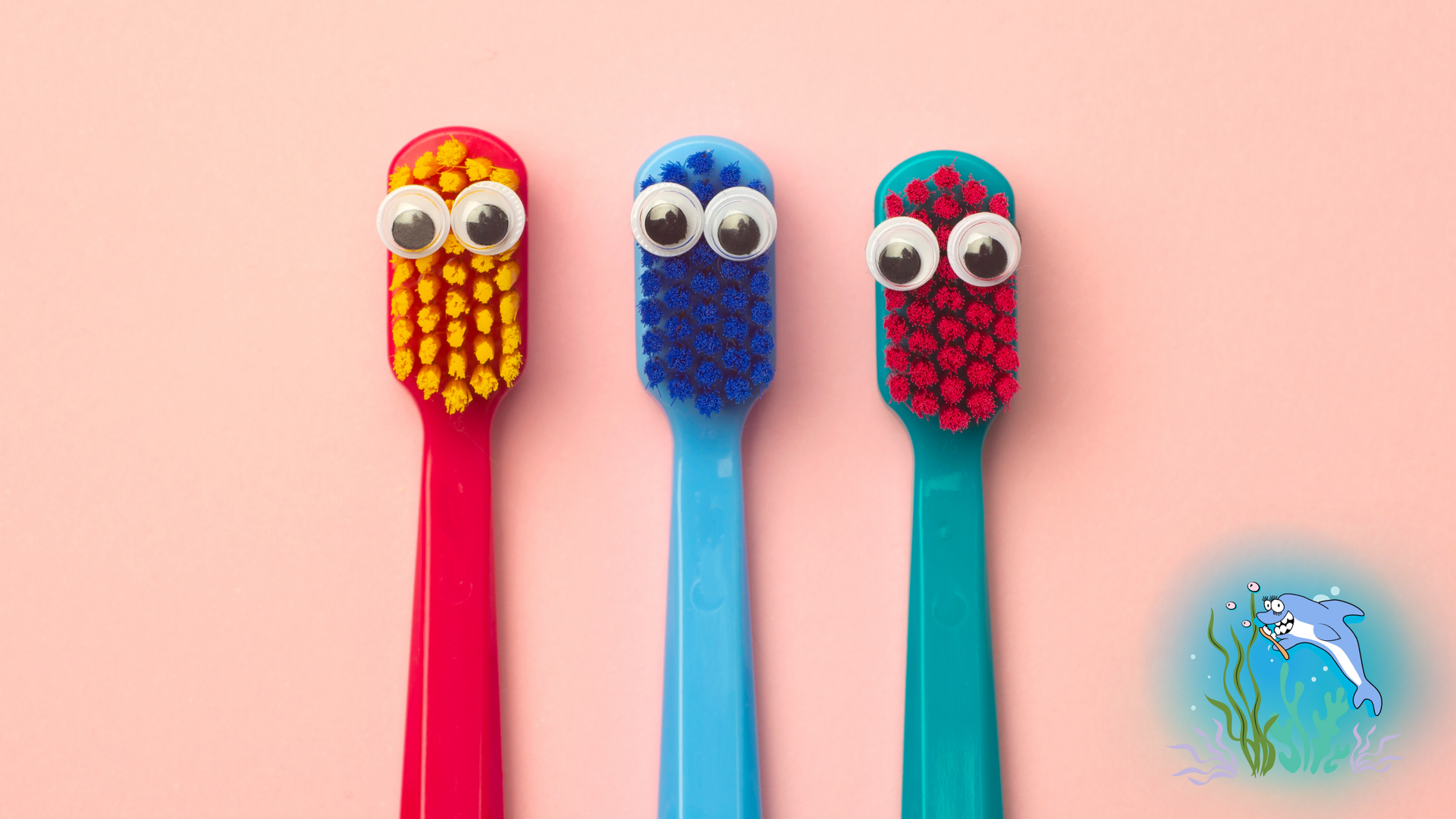
Children respond naturally to play and imagination. Turning brushing into a fun activity can help them stay engaged and build consistency.
Simple ideas can make a big difference. Parents can introduce the concept of brushing away “sugar bugs” or create a playful challenge to clean every tooth. Adding a sense of imagination helps children stay focused while making the process enjoyable.
Another approach is to create small goals that children can work toward. These goals should feel achievable and positive, helping children feel a sense of accomplishment each time they brush.
At Dr. Randy Pagenkopf's dental office in Mount Pleasant, South Carolina, we encourage families to explore creative approaches that make brushing feel exciting rather than repetitive.
Use Music to Set the Rhythm
Timing is one of the most common challenges when it comes to brushing. Many children either rush through the process or lose interest before finishing.
Music can help create structure while adding enjoyment. Playing a favorite song during brushing gives children a clear sense of how long they should brush without feeling timed. It also creates a positive association that makes brushing something to look forward to.
Over time, this simple habit can improve consistency and help children build a stronger routine.
Choosing the Right Toothbrush and Toothpaste
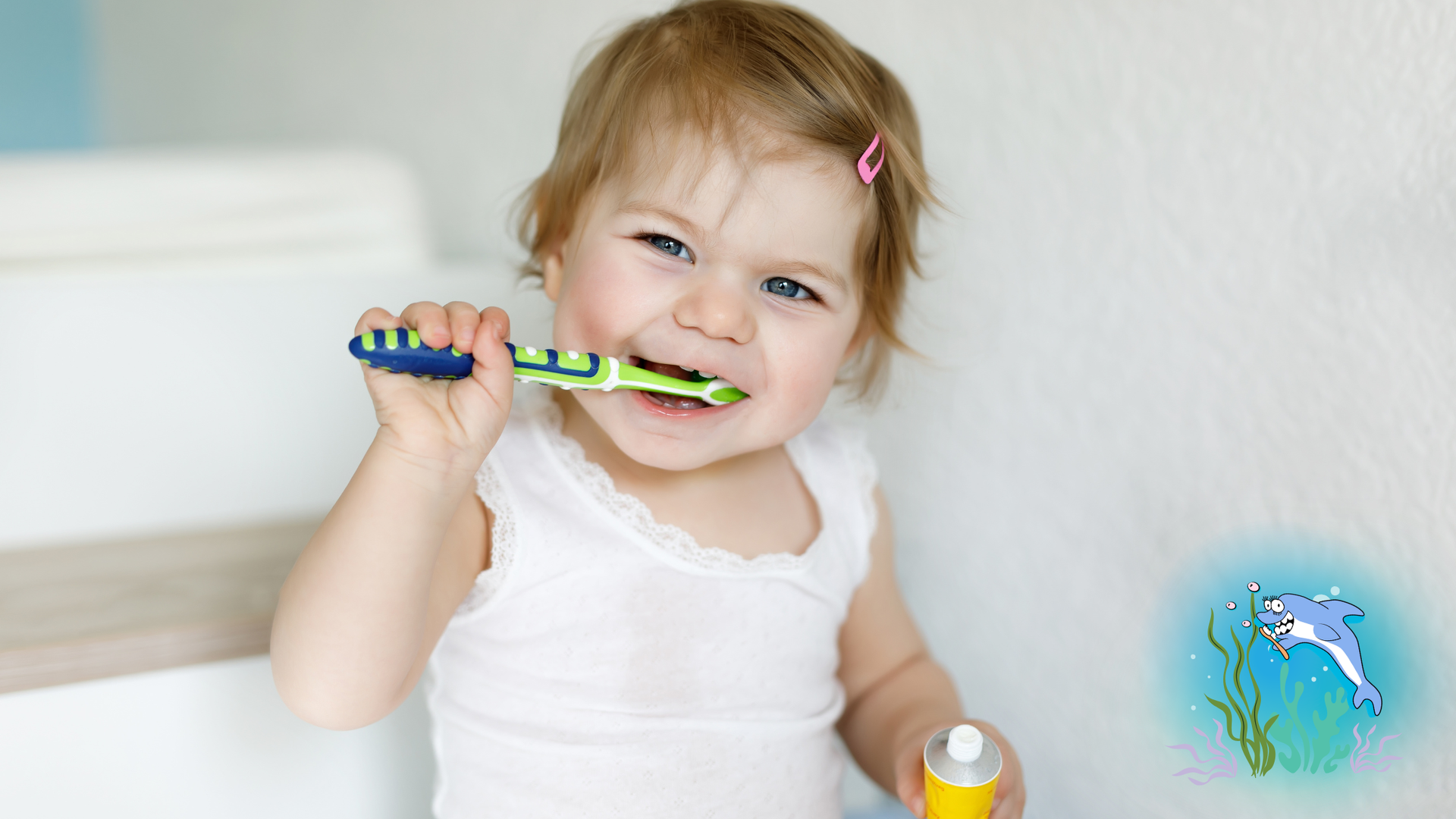
Sometimes, the simplest changes can have the biggest impact. Allowing children to choose their own toothbrush and toothpaste can give them a sense of ownership and excitement.
Bright colors, favorite characters, or fun designs can make brushing feel more personal. Toothpaste flavors designed for children can also improve their willingness to brush regularly.
Electric toothbrushes are another option that some children find more engaging. The gentle vibrations and built-in timers can help improve brushing effectiveness while adding an element of novelty.
At Dr. Randy Pagenkopf's dental office in Mount Pleasant, South Carolina, we often guide families toward options that suit a child’s preferences while still supporting effective oral hygiene.
Brushing Together as a Family
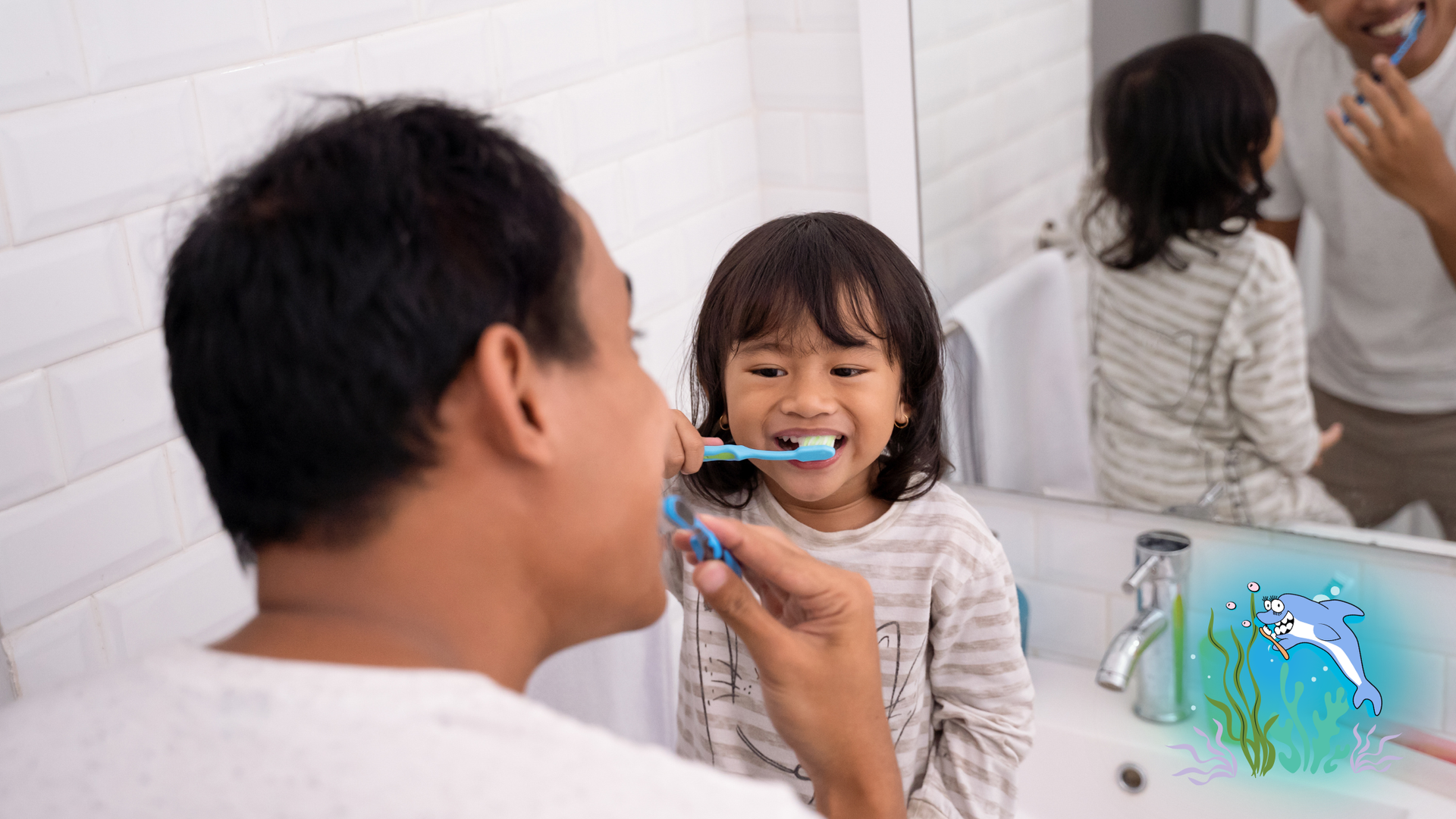
Children learn by watching. When brushing becomes a shared activity, it helps reinforce consistency and proper technique.
Brushing together as a family creates a sense of routine and connection. It allows children to observe how brushing should be done while also making the experience feel less isolated.
This approach also removes the feeling of being told what to do. Instead, brushing becomes a shared habit that everyone participates in, which encourages children to follow along more willingly.
Creating a Story Around Oral Health
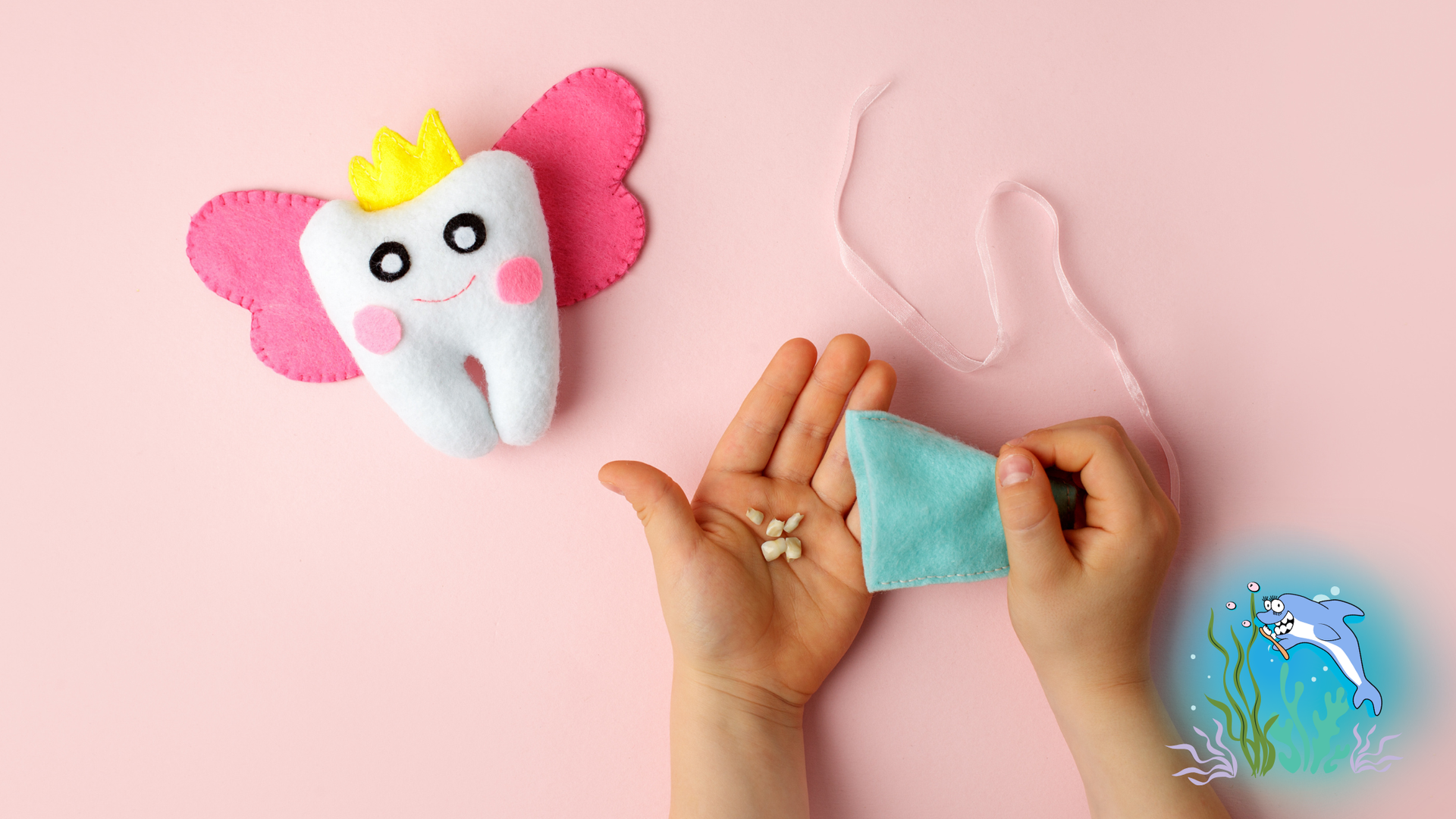
Storytelling is a powerful tool when it comes to shaping habits. Creating a simple story around brushing can help children understand why it matters.
For example, parents can explain that brushing helps keep teeth strong and ready for everyday activities. Adding characters or imaginative elements makes the story more engaging and memorable.
Over time, these stories help children build a positive association with brushing, turning it into something meaningful rather than routine.
Making Progress Visible and Rewarding
Children often respond well to visual progress. Seeing their efforts reflected in a simple and clear way can boost motivation.
A brushing chart or calendar can help track daily habits. Each completed session can be marked with a sticker or symbol, allowing children to see their consistency grow over time.
It is important to keep rewards simple and focused on encouragement rather than pressure. The goal is to celebrate progress and build confidence rather than create stress around performance.
Teaching Proper Technique in a Simple Way
While making brushing fun is important, technique should not be overlooked. Children need guidance on how to brush effectively without feeling overwhelmed. Breaking the process into small, easy steps can help:
- Start with the outer surfaces of the teeth
- Move to the inner surfaces
- Gently brush the chewing areas
- Finish with the tongue
Keeping instructions simple and consistent allows children to build confidence and improve their technique over time.
At Dr. Randy Pagenkopf's dental office in Mount Pleasant, South Carolina, we focus on making these instructions easy to understand for families, ensuring children develop habits that support long-term oral health.
Encouraging Independence While Providing Support
As children grow, they begin to seek independence. Allowing them to take the lead in brushing can help build confidence, but guidance is still important.
Parents can encourage children to brush on their own while supervising and assisting when needed. This balance helps children feel capable while ensuring that brushing remains effective.
Gradually, children become more comfortable with the process, making it easier to maintain consistency.
The Role of Regular Dental Visits in Building Habits
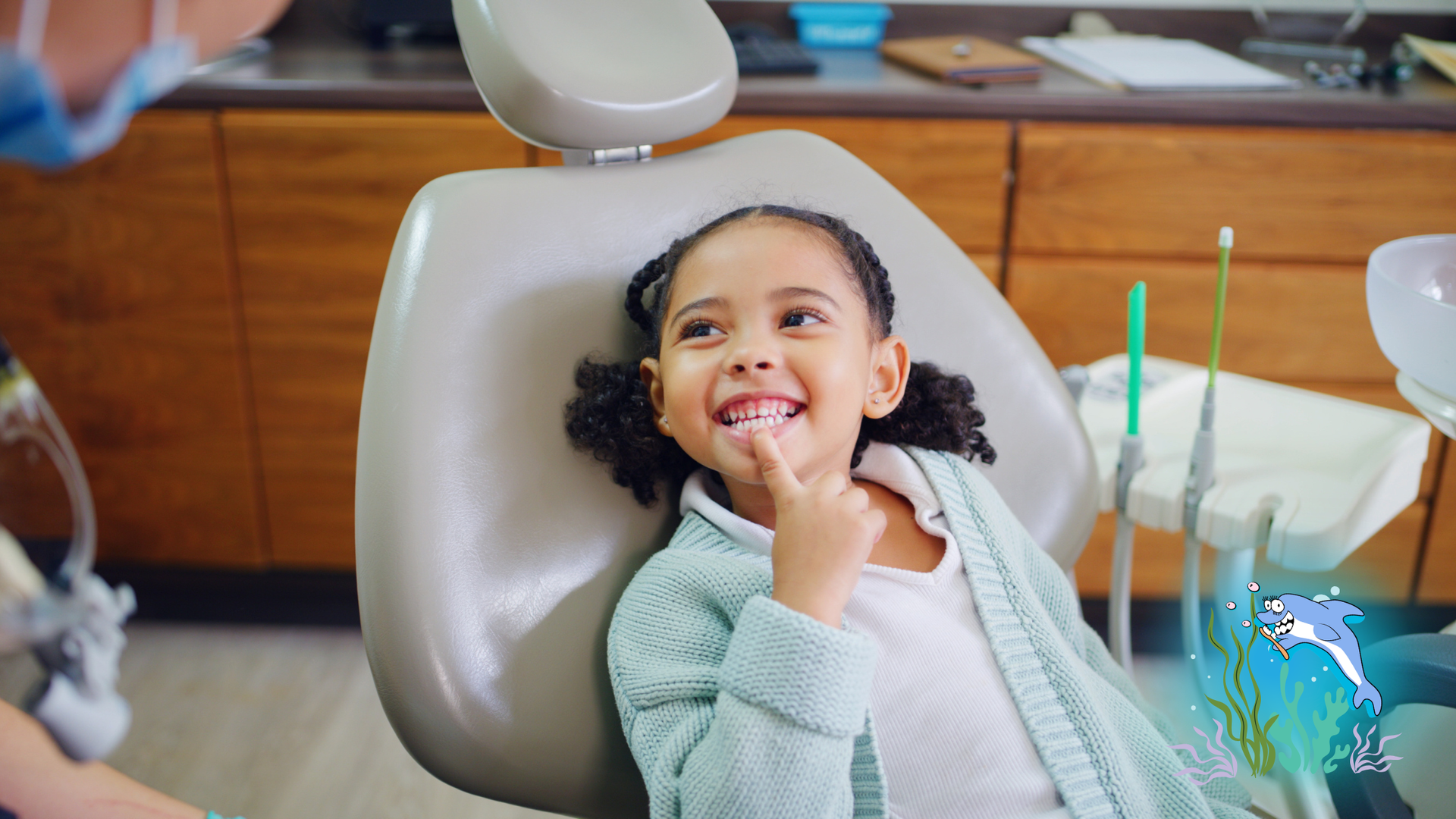
Routine dental visits provide additional support in building strong brushing habits. These visits allow children to become familiar with the dental environment while also reinforcing the importance of oral care.
At Dr. Randy Pagenkopf's dental office in Mount Pleasant, South Carolina, we work closely with families to provide guidance that aligns with a child’s needs and stage of development. These visits create opportunities to answer questions, demonstrate techniques, and encourage positive habits.
When children feel comfortable and informed, they are more likely to stay consistent with their brushing routines at home.
Building Habits That Last a Lifetime
Developing good brushing habits during childhood sets the foundation for long-term oral health. The goal is not perfection but consistency and confidence.
By making brushing enjoyable, interactive, and part of a daily routine, children begin to see it as a natural part of their day rather than a task to avoid.
We believe that small, positive changes can lead to lasting results. Supporting families in Mount Pleasant, South Carolina with practical and engaging strategies helps children build habits that contribute to healthy, confident smiles.
A Positive Approach Makes All the Difference

Improving brushing habits does not require strict routines or constant reminders. Instead, it benefits from creativity, encouragement, and a focus on making the experience enjoyable.
Every child responds differently, which means finding the right approach may take time. Whether it is through music, games, storytelling, or shared routines, the goal remains the same: creating a positive relationship with oral care.
With the right balance of fun and guidance, brushing can become something children look forward to rather than resist. Over time, these habits become second nature, supporting lifelong oral health and confident smiles.
RECENT POSTS