




Mouth Breathing and Kids’ Oral Health: What Parents Should Know

Dr. Randy Pagenkopf • May 15, 2026

Source: Dr. Marketing


Many parents notice mouth breathing long before they realize it may be connected to oral health.


A child sleeps with their mouth open every night. Snoring becomes part of bedtime background noise. Lips always seem dry in the morning, and there is constant congestion even when allergy season has passed. Sometimes children wake up tired despite sleeping for hours, or parents begin noticing crowded teeth developing earlier than expected.


Because these signs often seem unrelated, mouth breathing is commonly viewed as a harmless childhood habit. In reality, persistent mouth breathing can quietly influence how a child’s teeth, jaws, and facial structures develop over time.


At Dr. Randy Pagenkopf's dental office in Mount Pleasant, South Carolina, breathing habits are something we carefully observe during pediatric dental evaluations because oral development is about far more than cavities alone. The way a child breathes during growth years may affect everything from enamel health to jaw alignment and long-term orthodontic needs.


Why Mouth Breathing Happens in the First Place


Most children do not start mouth breathing intentionally. In many cases, it begins because nasal breathing becomes difficult.


Seasonal allergies, enlarged tonsils or adenoids, chronic congestion, sinus issues, or airway obstruction may force children to rely more heavily on breathing through the mouth, especially while sleeping. Sometimes the original cause improves, but the mouth-breathing pattern continues out of habit.


This is why many parents become accustomed to seeing open-mouth sleeping or hearing light snoring without realizing the habit may still be affecting oral development underneath the surface.


At Dr. Randy Pagenkopf's dental office in Mount Pleasant, South Carolina, many families are surprised to learn how closely breathing patterns and oral health are connected during childhood.


What Changes Inside the Mouth When Kids Breathe Through Their Mouths


One of the biggest concerns with chronic mouth breathing is dryness.


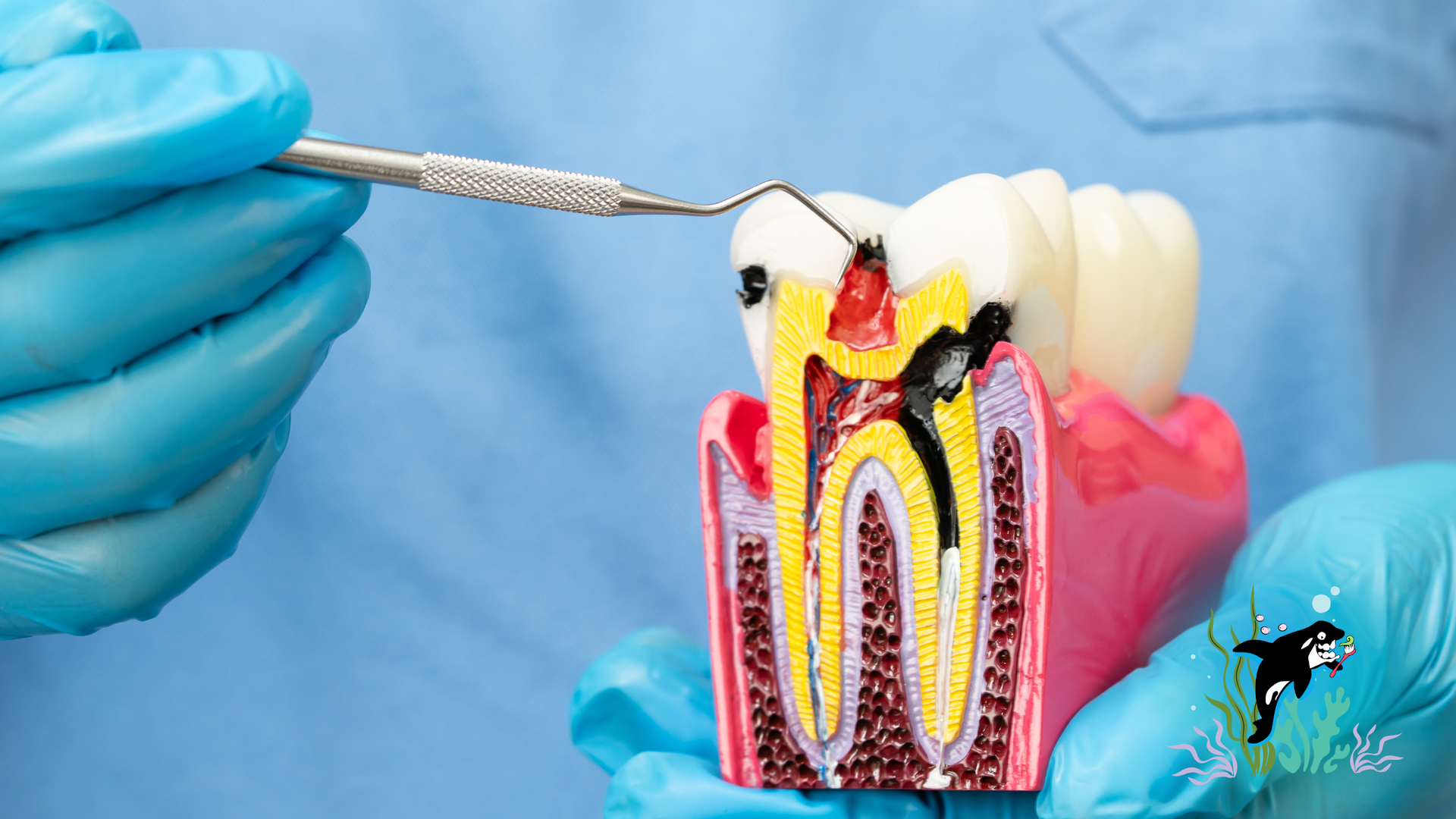
Saliva plays a major protective role inside the mouth. It helps rinse away bacteria, neutralize acids, protect enamel, and maintain healthier gum tissue. When children breathe through their mouths for extended periods, especially overnight, saliva evaporates more quickly, and the mouth becomes significantly drier. Over time, this can create an environment where cavity-causing bacteria thrive more easily. Children who chronically mouth breathe may become more prone to:


  • plaque buildup
  • enamel weakening
  • bad breath
  • irritated gums
  • recurring cavities


What makes this frustrating for some parents is that their child may still brush regularly and follow decent hygiene habits at home. Yet the mouth continues struggling because the protective balance saliva normally provides is constantly disrupted.


At Dr. Randy Pagenkopf's dental office in Mount Pleasant, South Carolina, we often focus on identifying these contributing factors early rather than simply treating repeated cavities as isolated problems.


The Effect Mouth Breathing Can Have on Jaw Development


The impact of mouth breathing extends beyond teeth alone.


Healthy nasal breathing supports proper tongue posture, where the tongue naturally rests against the roof of the mouth. This gentle pressure helps guide the upper jaw as children grow. When a child breathes primarily through the mouth, the tongue often sits lower instead.


Over time, this seemingly small shift can influence how the jaws develop.


Some children may gradually develop:


  • narrow dental arches
  • crowded teeth
  • bite misalignment
  • crossbites
  • longer facial growth patterns


Parents are often surprised that breathing habits can influence orthodontic concerns later in life. What initially seems like simple crowding may sometimes be connected to airway and developmental patterns that started years earlier.


At Dr. Randy Pagenkopf's dental office in Mount Pleasant, South Carolina, monitoring growth and bite development in children involves looking at the bigger picture rather than focusing only on whether teeth appear straight at the moment.


Sleep Quality and Oral Health Are More Connected Than Many Families Realize


Children who mouth breathe often do not sleep as comfortably as they appear to.


Some grind their teeth during sleep. Others snore, toss and turn frequently, wake up tired, or struggle with daytime fatigue and irritability. Because children do not always describe sleep quality clearly, the signs may appear indirectly through concentration difficulties, restlessness, or behavioral changes during the day.


In some cases, the body subconsciously shifts the jaw or grinds the teeth while trying to maintain airflow overnight. This may place additional strain on the teeth and jaw joints over time.


At Dr. Randy Pagenkopf's dental office in Mount Pleasant, South Carolina, airway habits, grinding patterns, jaw development, and enamel wear are often evaluated together because these issues frequently overlap more than parents expect.


Why Early Awareness Matters So Much


One of the most important things about childhood growth is that it is constantly evolving.


The earlier mouth breathing patterns are recognized, the easier it often becomes to monitor oral development and identify whether intervention may help reduce future complications. Waiting until severe crowding or bite concerns appear can sometimes make treatment more complicated later.


This does not mean every child who mouth-breathes will automatically need extensive treatment. However, recognizing the pattern early allows families to better understand how breathing, sleep, jaw growth, and oral health all influence one another during development.


At Dr. Randy Pagenkopf's dental office in Mount Pleasant, South Carolina, every dental visit is designed to evaluate much more than cavities alone. Monitoring breathing habits, jaw growth, and developmental changes helps support healthier long-term outcomes as children continue growing.


Healthy Smiles Often Begin with Healthy Habits Beyond Brushing


Many parents focus heavily on brushing, flossing, and limiting sugar, all of which remain extremely important. But oral health development is also influenced by sleep quality, breathing patterns, muscle posture, and jaw growth during childhood.


Mouth breathing may seem minor initially, yet over time, it can quietly affect multiple aspects of a child’s oral development and comfort.


At Dr. Randy Pagenkopf's dental office in Mount Pleasant, South Carolina, we believe early education helps families make informed decisions about their child’s long-term oral health. Identifying mouth breathing patterns early may help support healthier growth, stronger enamel, improved sleep quality, and better overall oral function as children continue developing.


If your child frequently sleeps with an open mouth, snores regularly, wakes up with dry lips, or shows signs of chronic mouth breathing, scheduling a consultation with our team can help determine whether these habits may be affecting their oral health and development.


SHARE

RECENT POSTS

Child smiling beside banner reading “Space Maintainers for Kids: Supporting Healthy Tooth Development.”
By Dr. Randy Pagenkopf May 1, 2026
Early tooth loss can affect how permanent teeth grow. Discover how space maintainers help maintain proper alignment at Dr. Randy Pagenkopf's dental office in Mount Pleasant, South Carolina, focused on supporting healthy, confident smiles for children.
A mother and child smile together next to text about choosing a pediatric dentist in Mount Pleasant, SC.
By Dr. Randy Pagenkopf April 15, 2026
Searching for a pediatric dentist in Mount Pleasant? Learn what truly matters for your child’s comfort, trust, and long-term dental health.
By Dr. Randy Pagenkopf April 7, 2026
When should your child first visit the dentist? Learn why early dental visits matter and how they support lifelong oral health at Dr. Randy Pagenkopf's dental office in Mount Pleasant, South Carolina, where gentle care helps children feel comfortable and confident from the start.
Show More