Why Consistent Dental Checkups Matter for Growing Smiles
Source: Dr. Marketing
A child’s smile is one of the most joyful sights for any parent, but keeping those tiny teeth healthy takes more than just daily brushing. Regular dental visits are a vital part of maintaining a child’s oral health, supporting proper growth, early development, and lifelong confidence. Yet, many parents wonder how often should children really visit the dentist?
At Dr. Randy Pagenkopf's office, we believe that preventive care is the foundation for healthy smiles that last a lifetime. Understanding when and why dental visits matter helps parents stay proactive about their child’s oral health and ensures every stage of development is supported with care and comfort.
The Importance of Early Dental Visits
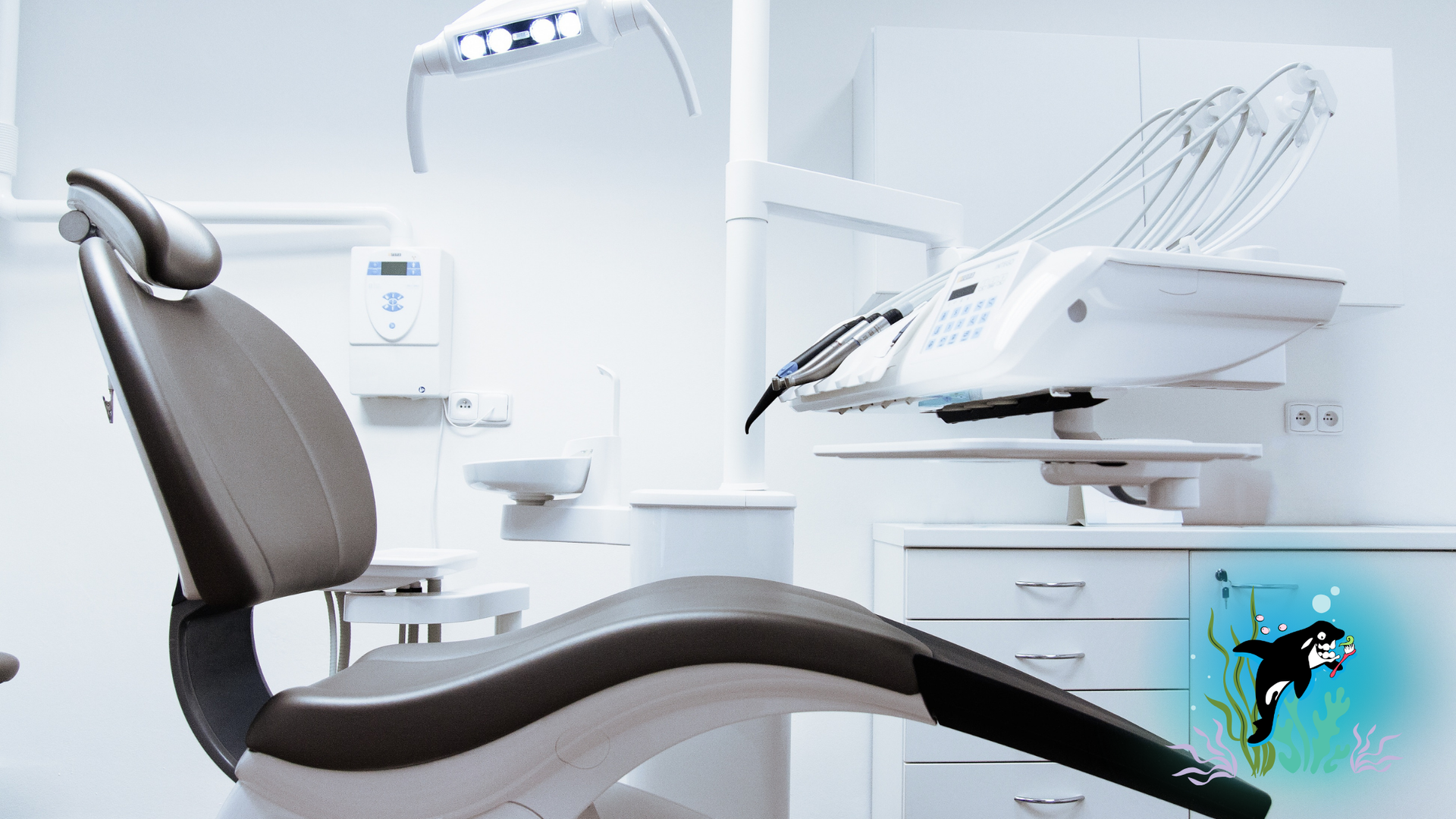
The American Academy of Pediatric Dentistry recommends that children have their first dental visit by their first birthday or within six months of their first tooth erupting. While that may seem early, those initial visits set the tone for healthy oral habits and early detection of potential concerns.
An early dental visit is about more than checking for cavities it is about education and prevention. We guide parents through topics such as brushing techniques, fluoride use, thumb-sucking habits, and nutrition choices that support healthy teeth. It is also an opportunity for children to become familiar with the dental environment, reducing anxiety as they grow older.
At Dr. Randy Pagenkopf's office, we take a gentle, positive approach to a child’s first visit. By making dental care feel natural and fun, we help build a foundation of trust that supports a lifetime of healthy dental habits.
How Often Should Kids Visit the Dentist?

After that first visit, children should generally see a dentist every six months, the same recommendation that applies to most adults. These biannual appointments allow our dentist to track development, catch small issues early, and prevent more serious dental concerns from forming.
However, every child is unique. Depending on factors such as cavity risk, oral hygiene habits, or orthodontic concerns, some children may benefit from more frequent visits. For example:
- Children prone to cavities may need fluoride treatments or sealant applications more often.
- Those with braces or oral appliances may require additional cleanings or checkups.
- Kids with special healthcare needs might need a more customized schedule for optimal support.
We personalize each care plan to fit your child’s individual needs, ensuring that their visits align with their development and oral health goals.
What Happens During a Routine Dental Visit

A child’s dental visit is designed to be both thorough and educational. The focus is on prevention, comfort, and long-term care. During a typical visit, parents can expect:
- Dental Cleaning: A hygienist gently removes plaque and tartar that cannot be eliminated through brushing and flossing alone. This helps prevent cavities and gum inflammation.
- Comprehensive Examination: Our dentist checks each tooth, evaluates gum health, and examines the bite and jaw development. They also monitor how baby teeth are spacing and how permanent teeth are erupting.
- Fluoride Treatment: Fluoride strengthens enamel and helps protect against decay. Most children benefit from fluoride applications twice a year.
- Oral Hygiene Education: Our team provides age-appropriate tips to encourage better brushing, flossing, and eating habits at home.
- Preventive Planning: Sealants, space maintainers, or orthodontic evaluations may be discussed if needed. These proactive measures help guide growth and prevent complications later on.
Each visit reinforces the importance of good oral habits while ensuring the child’s comfort and confidence remain top priorities.
Why Regular Visits Matter

Dental visits every six months may seem frequent, but they are key to protecting a child’s oral health from early risks such as cavities, gum inflammation, and misalignment. Let us look at the key reasons consistency is so important:
- Early Detection of Problems: Small cavities, enamel defects, or jaw growth concerns are easier and less costly to treat when caught early.
- Cavity Prevention: Regular cleanings and fluoride treatments help keep plaque under control, especially as children develop independence in brushing.
- Healthy Growth Tracking: As children grow, their teeth and jaws undergo significant changes. Regular exams allow us to monitor spacing and alignment, ensuring proper development.
- Encouraging Positive Habits: Frequent visits reinforce positive routines and reduce dental anxiety, helping kids associate oral care with comfort rather than fear.
By prioritizing regular visits, parents set their children up for a future with strong, healthy smiles.
The Connection Between Routine Dental Care and Overall Health
Oral health is closely connected to overall wellness. Poor dental hygiene can affect eating, speech, and even concentration at school. Cavities or infections can cause discomfort, leading to missed days in class or difficulties eating nutritious foods. Routine dental visits help protect against these challenges. Early intervention prevents complications that could impact a child’s physical health and confidence. Our approach focuses on total wellness, educating families on how oral health supports growth, nutrition, and long-term development.
Common Questions Parents Ask About Dental Visits

1. What if my child is scared of the dentist?
It is completely natural for kids to feel nervous, especially during their first few visits. We use gentle language, a friendly environment, and positive reinforcement to make each appointment comfortable and encouraging.
2. Do baby teeth really need that much care if they will fall out anyway?
Absolutely. Baby teeth guide the development of permanent teeth and help with speech and eating. Neglecting them can cause infections or alignment issues that affect future oral health.
3. How can I prepare my child for a dental visit?
Start by reading fun books about visiting the dentist, role-playing “dental checkups” at home, and explaining what will happen in a simple, reassuring way. Avoid using negative words like “hurt” or “pain.”
4. What if my child has special healthcare needs?
Children with special healthcare needs often require a tailored approach. Our team provides compassionate, individualized care, ensuring every child feels safe and supported during their visit.
5. Should I stay with my child during the appointment?
For younger children, many parents find that staying nearby helps their child feel secure. As children grow more comfortable, they may choose to sit independently, which builds confidence and trust.
Encouraging Good Habits at Home

Between visits, parents play the biggest role in maintaining healthy teeth. Establishing strong habits early helps children build a lifetime of good oral hygiene.
- Brush twice daily for two minutes using fluoride toothpaste.
- Floss once a day, especially as more teeth start to touch.
- Encourage rinsing with water after snacks or sweet treats.
- Offer healthy, low-sugar snacks such as cheese, fruit, and vegetables.
- Make brushing fun with songs, stickers, or colorful toothbrushes.
We emphasize that parents are partners in care. A positive approach at home, paired with regular dental visits, keeps smiles bright and healthy throughout childhood.
Building Confidence Through Consistent Dental Care

Children who visit the dentist regularly tend to grow into adults who maintain strong oral health habits. Each visit teaches them that dental care is part of overall wellness, not something to fear or avoid. At Dr. Randy Pagenkopf's office, we create a comfortable, encouraging environment that makes children look forward to their appointments. Our goal is to make dental visits an experience that promotes both confidence and understanding.
A Smile Worth Scheduling For
Routine dental visits every six months are one of the best ways parents can invest in their child’s health and confidence. These appointments help detect early issues, reinforce good habits, and prevent future complications.
By partnering with Dr. Randy Pagenkopf in Mount Pleasant, South Carolina, families can feel confident knowing their children’s smiles are in caring, experienced hands. Whether it is their first visit or a regular checkup, our team focuses on building comfort, trust, and lifelong oral health. Healthy smiles start with consistency, and every visit brings your child closer to a lifetime of confidence, comfort, and bright, happy teeth.
RECENT POSTS